
Trust, Care, Hope — The Values That Make TSS Hospital Stand Apart
When Three Pillars Become the Foundation of Healing
In the rapidly evolving landscape of modern healthcare, where technology advances at breathtaking speed and operational pressures mount with each passing year, a profound question emerges: What truly matters when someone is at their most vulnerable? What do patients remember long after they have recovered from their ailments? What transforms a clinical institution into a sanctuary of healing? The answer, embodied by TSS Hospital Sirsi, is remarkably simple yet profoundly transformative—it lies in three interconnected values: Trust, Care, and Hope. These are not mere corporate platitudes posted on office walls or mentioned in strategic planning documents. Rather, they represent the living, breathing principles that permeate every interaction, every decision, and every moment within the hospital’s walls. TSS Hospital Sirsi has discovered that when healthcare is built upon the bedrock of genuine trust, delivered with authentic care, and infused with unwavering hope, it becomes something far more powerful than the sum of its medical technologies and clinical protocols. It becomes a place where healing happens not just as a biological process, but as a transformative human experience.
The journey of understanding healthcare through these three values challenges the conventional wisdom that has long dominated the industry. For decades, hospitals have primarily measured success through operational efficiency, cost management, and clinical outcomes—all important metrics, certainly, but incomplete measures of what truly constitutes excellent healthcare. TSS Hospital Sirsi represents a paradigm shift, one that recognizes that the most successful hospitals are those that understand a fundamental truth: patients do not come to hospitals because they want to; they come because they must. In their moments of fear, uncertainty, and vulnerability, what patients need most is an institution they can trust with their lives, caregivers who genuinely care about their well-being, and professionals who can instill in them the hope necessary to endure treatment and believe in recovery. This article explores how these three foundational values work together to create an institution that stands apart in the healthcare landscape.

Why Trust, Care, and Hope Matter: The Values Framework That Shapes Excellence
The Foundation of Trust: Building Confidence in Every Interaction
Trust is perhaps the most fundamental currency in healthcare. When a patient enters a hospital, they are placing something far more valuable than money in the institution’s hands—they are entrusting their physical body, their well-being, and often their very survival to the competence and character of strangers. TSS Hospital Sirsi recognizes that this trust is not automatically granted; it must be earned through consistent demonstration of integrity, competence, and genuine concern. The hospital has built a comprehensive trust-building framework that operates at multiple levels, from the individual interactions between patients and caregivers to the institutional policies and transparent communication practices that demonstrate the hospital’s commitment to patient interests.
Transparency as the Currency of Trust: TSS Hospital Sirsi believes that informed patients are empowered patients, and empowered patients make better decisions about their own healthcare. The hospital has implemented comprehensive transparency practices at every stage of the patient journey. Before procedures, patients receive detailed explanations of what will happen, why it is necessary, what risks exist, and what alternatives might be available. Medical professionals avoid unnecessary jargon and take time to ensure that patients and families genuinely understand the information being presented. When complications arise, the hospital addresses them directly and honestly rather than attempting to minimize or conceal problems. This commitment to truthfulness, even when delivering difficult information, demonstrates respect for patients’ right to understand their own circumstances. The hospital recognizes that trust, once broken through dishonesty or evasion, is extraordinarily difficult to rebuild, and therefore maintains unwavering commitment to transparent communication as a cornerstone of its relationships with patients and families.
Competence That Inspires Confidence: Trust is built not only through communication but also through demonstrated clinical excellence. TSS Hospital Sirsi maintains the highest standards of medical competence through rigorous hiring practices, ongoing professional development, and evidence-based clinical protocols. Doctors are selected not only for their qualifications but also for their commitment to lifelong learning and their capacity to communicate complex medical information clearly to non-specialists. Nursing staff undergo extensive training in both technical skills and patient interaction. Medical records are meticulously maintained and regularly reviewed to ensure quality of care. The hospital welcomes external audits and accreditations that verify its adherence to clinical standards. By maintaining and continuously improving clinical excellence, the hospital demonstrates through actions rather than words that it is worthy of the trust patients place in it. When patients know they are being treated by competent professionals who stay current with medical knowledge and utilize best practices, their trust in the institution deepens.
Consistency: The Often-Overlooked Trust Builder: Trust is built not through grand gestures but through consistent, reliable behavior over time. TSS Hospital Sirsi maintains consistency across multiple dimensions—consistency in quality of care whether a patient arrives during peak hours or quiet times, consistency in staff professionalism across all departments and shifts, consistency in policies that are applied fairly to all patients regardless of their socioeconomic status or social standing. Staff members are held accountable for maintaining these standards, and leadership regularly reviews performance metrics to ensure that consistent excellence is not compromised. When patients experience the same high level of care and respect during their third interaction with the hospital as they did during their first, trust deepens into something more profound—confidence that this is who the hospital truly is, not a temporary facade.
Accountability: The Ultimate Expression of Trustworthiness: TSS Hospital Sirsi demonstrates its trustworthiness through genuine accountability mechanisms. The hospital encourages patients and families to provide feedback, both positive and constructive. Complaint systems are designed to be easily accessible and genuinely responsive rather than dismissive. When mistakes occur—as they inevitably do in any complex human endeavor—the hospital takes responsibility, investigates thoroughly, communicates findings to affected parties, and implements changes to prevent recurrence. This willingness to acknowledge error and take corrective action demonstrates that the hospital’s commitment to patients’ welfare takes precedence over institutional self-protection. Such accountability is remarkably rare in healthcare and serves as a powerful demonstration that TSS Hospital Sirsi truly prioritizes patient interests.
The Heart of Care: Moving Beyond Medical Treatment to Genuine Compassion
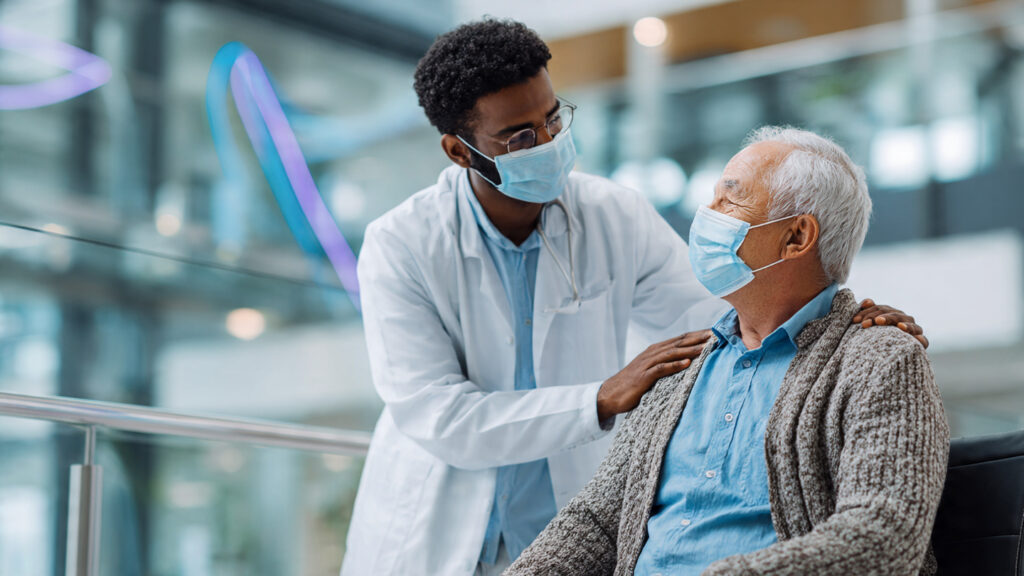
While trust provides the structural foundation for effective healthcare, care is the emotional and relational dimension that transforms clinical treatment into true healing. Care at TSS Hospital Sirsi extends far beyond the technical delivery of medical interventions. It encompasses genuine concern for patients’ physical, emotional, and spiritual well-being; recognition of patients as complete human beings rather than collections of symptoms; and commitment to supporting not only the person who is ill but also the family members who worry and grieve alongside them.
Personalized Care That Honors Individual Dignity: TSS Hospital Sirsi recognizes that no two patients are identical, and therefore standardized, one-size-fits-all care approaches fail to meet the genuine needs of diverse individuals. The hospital invests in understanding each patient’s unique circumstances, preferences, cultural background, and values. Medical professionals take time to learn about patients’ lives outside the hospital—their occupations, their family responsibilities, their interests and fears. This personal knowledge allows caregivers to provide treatment that honors the whole person rather than merely addressing the immediate medical condition. A patient recovering from a heart attack is not simply a cardiac case; they are perhaps a parent worried about providing for their family during recovery, or an individual who finds meaning in outdoor activities and wants to understand when they can resume them. By honoring these dimensions of personhood, TSS Hospital Sirsi provides care that genuinely matters to the patient, not just care that addresses the medical checklist.
Compassion in the Midst of Professional Excellence: There exists a common but false belief that compassion and professional distance are necessary partners in healthcare—that caregivers must maintain emotional detachment to provide objective medical judgment. TSS Hospital Sirsi has demonstrated that this assumption is incorrect. The hospital’s medical professionals maintain rigorous professional standards while simultaneously bringing genuine human warmth to their interactions. Doctors can be scientifically precise in their diagnoses while also being emotionally attuned to patient anxieties. Nurses can administer treatments with technical accuracy while simultaneously offering comfort, reassurance, and human connection. This integration of professional competence and authentic compassion is perhaps the most distinctive characteristic of care at TSS Hospital Sirsi. When a patient receives an injection from a nurse who not only performs the procedure flawlessly but also takes a moment to acknowledge the patient’s fear and offer gentle reassurance, the entire experience is transformed from something endured to something that feels genuinely supportive.
Care Extended to Families: Recognizing the Ripple Effects of Illness: TSS Hospital Sirsi understands that when a patient becomes ill, the impact radiates outward to family members who become secondary patients experiencing their own forms of suffering—worry, anxiety, fear about the future, disruption to their normal lives. The hospital’s approach to care explicitly includes family members. Staff members recognize that a spouse, adult child, or parent accompanying a patient may be experiencing profound stress and requires acknowledgment and support. The hospital provides comfortable spaces for family members to rest, access to relevant medical information, and opportunities to participate in care planning. Counseling services are available to help families process the emotional dimensions of their loved one’s illness. By extending care to the family unit rather than focusing only on the individual patient, the hospital addresses the reality that healing is a family process, not just an individual one.
Cultural Sensitivity: Care That Respects Diverse Backgrounds: TSS Hospital Sirsi serves a diverse population with varying cultural beliefs, religious practices, and approaches to health and illness. The hospital’s commitment to care includes deep respect for these differences. Staff members receive training in cultural competence and learn to recognize how cultural background influences patient preferences regarding treatment, family involvement, dietary practices, and spiritual support. The hospital arranges for religious leaders to visit patients who request spiritual support, accommodates dietary preferences related to cultural or religious practices, and ensures that patient preferences regarding family roles in medical decision-making are respected. By providing culturally sensitive care, the hospital demonstrates that it cares not only about patients’ medical needs but also about honoring the values and beliefs that make them who they are.
Emotional Support Infrastructure: Caring for the Whole Person: TSS Hospital Sirsi recognizes that physical healing is only part of the recovery process, and emotional and psychological well-being significantly influences overall outcomes. The hospital has developed comprehensive emotional support infrastructure, including counseling services, support groups, and trained staff members skilled in listening and compassionate presence. Patients facing devastating diagnoses are offered support in processing emotions and connecting with resources. Family members are provided opportunities to express their own anxieties and concerns. Social workers help patients and families navigate the practical challenges that often accompany serious illness—financial concerns, work disruptions, childcare needs. This holistic approach to care recognizes that true healing requires attending to emotional and practical dimensions alongside medical treatment.
The Spirit of Hope: Inspiring Belief in Better Futures
The third pillar—hope—represents perhaps the most invisible yet most powerful force within TSS Hospital Sirsi. While hope is often dismissed as something intangible or even naive in clinical settings, neuroscience and medical research increasingly demonstrate that hope profoundly influences both physical and psychological outcomes. Patients who maintain hope show better treatment compliance, experience less pain, recover more quickly, and report greater life satisfaction even during serious illness. TSS Hospital Sirsi has recognized that hope is not something that develops accidentally; it is something that healthcare professionals can actively cultivate through their words, actions, and demonstrated confidence in recovery.
Realistic Optimism: Hope Built on Honest Assessment: TSS Hospital Sirsi does not offer false hope or unrealistic promises of outcomes. Rather, the hospital practices what might be called “realistic optimism”—a commitment to honest communication about medical realities combined with genuine confidence in the patient’s capacity to face those realities and move forward. When discussing a serious diagnosis, medical professionals at TSS Hospital Sirsi provide truthful information about the condition, its prognosis, and available treatments. Simultaneously, they emphasize what is still possible, what the patient can do to optimize their outcomes, and the team’s commitment to supporting them through the journey ahead. This balanced approach—neither minimizing challenges nor succumbing to despair—allows patients to develop hope that is grounded in reality rather than naive fantasy. Such hope is far more resilient and more likely to sustain patients through difficult treatment periods.
Professional Confidence That Inspires Patient Confidence: When medical professionals demonstrate calm competence and genuine confidence that they know how to support a patient’s recovery, that confidence becomes contagious. Patients pick up on subtle cues—the tone of voice when discussing treatment options, the body language of staff members, the evident sense of purpose and direction in the care plan. When these signs suggest that the medical team genuinely believes in the patient’s capacity to heal and is committed to supporting that healing, patients internalize this belief. This is not about pretending that outcomes are guaranteed—they are not—but rather about demonstrating through professional presence that the medical team has knowledge, skills, and determination to do everything possible to support the best possible outcome. Such professional confidence becomes a source of hope for patients and families facing uncertainty.
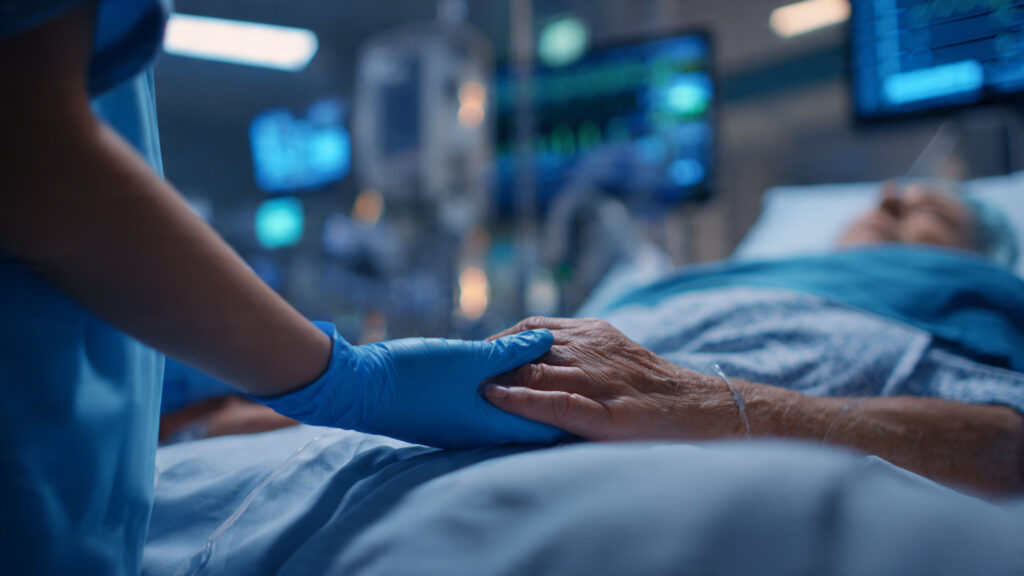
Stories of Recovery: The Narrative Power of Hope: TSS Hospital Sirsi recognizes the narrative power of recovery stories. Within the hospital, there are countless examples of patients who faced serious illness and went on to recover, adapt, and rebuild their lives. While maintaining patient confidentiality, the hospital shares these narratives—not as guarantees of outcome but as reminders that recovery is possible, that people have faced similar challenges and moved forward. Support groups connect patients facing similar diagnoses with individuals who have successfully navigated the same journey. These connections provide tangible evidence that hope is warranted, that others have walked this path and survived. Such narratives become powerful antidotes to despair and sources of inspiration that can sustain patients through difficult periods of treatment and recovery.
Hope Expressed Through Excellent Care: Demonstrating Faith in the Future: Perhaps the most powerful expression of hope at TSS Hospital Sirsi is the hospital’s own demonstrated faith in patients’ futures. When healthcare professionals invest significant time and resources in providing excellent care, when they treat every aspect of the patient’s recovery with careful attention, they are implicitly expressing belief that the patient’s future matters. Conversely, when an institution provides minimal effort or dismissive care, it suggests that the institution does not believe in the value of the patient’s continued life. TSS Hospital Sirsi expresses hope through concrete investment—in the quality of facilities, the competence of staff, the comprehensiveness of treatment protocols. Every excellent clinical decision, every instance of going the extra mile to support patient comfort and recovery, becomes a statement: “We believe in your future, and we are committed to supporting your move toward it.”
Creating Environments That Nurture Hope: The physical environment of TSS Hospital Sirsi is designed not only for clinical efficiency but also to nurture hope. Natural light, views of nature, pleasant colors, artwork that inspires rather than intimidates—these environmental elements contribute to psychological state and capacity for hope. Spaces designed for reflection and peace provide places where patients can process their experiences and connect with sources of meaning and spirituality. The visible competence and calm professionalism of staff members reinforce hope through environmental signals. Even practical details—clear signage, accessible facilities, organized systems—demonstrate institutional competence and inspire confidence. By attending to the complete environment, the hospital recognizes that hope is fostered through multiple channels, not just through words but through the tangible experience of being in a well-organized, professionally managed, care-focused institution.
How Trust, Care, and Hope Integrate: The Synergistic Power of Values-Based Healthcare
While trust, care, and hope can be discussed separately, their true power emerges through their integration. These three values work together synergistically, each strengthening and amplifying the others. Trust creates the safe container within which care can flourish; care demonstrates that trust is warranted; hope provides the emotional fuel that allows patients to engage with both the trust relationship and the care process. When all three are present, something remarkable happens—patients experience healthcare not as an ordeal to be endured but as a profound act of human connection and support that contributes to healing far beyond what medicine alone could achieve.
The Patient Experience of Values-Based Care
Consider a patient newly diagnosed with a serious illness. Initially, they may feel overwhelmed, frightened, and uncertain about what their future holds. In a values-driven institution like TSS Hospital Sirsi, this patient’s initial encounter emphasizes trust—they meet professionals who take time to explain their condition clearly, answer questions thoroughly, and demonstrate genuine commitment to their well-being. This trust foundation allows the patient to relax enough to receive care. Then, as treatment begins, they experience care—not just medical treatment but genuine human attention to their comfort, their fears, their values, and their dignity. This care, combined with trust in the professionals delivering it, begins to kindle hope. The patient starts to believe that recovery is possible, that they are not alone, and that they have capable allies in their struggle. Over time, as trust deepens, care demonstrates its reality through countless small and large actions, and hope becomes increasingly robust. By the time of discharge, the patient has not only received medical treatment but has experienced a genuine healing relationship that has sustained them through their most vulnerable period and equipped them with emotional resources to manage recovery.
Impact on Clinical Outcomes and Staff Experience
The integration of trust, care, and hope does not merely improve the patient experience; it demonstrably improves clinical outcomes. Patients who trust their healthcare providers comply more reliably with treatment protocols. Patients who feel genuinely cared for experience less pain and psychological distress. Patients who maintain hope show better recovery trajectories and greater resilience in the face of setbacks. Furthermore, the values-based approach creates a virtuous cycle that improves staff experience and retention. Healthcare professionals who work in an environment where trust, care, and hope are genuine institutional values experience greater meaning in their work. They are not merely following protocols but participating in something larger than themselves—genuine human healing. This sense of meaning reduces burnout, increases job satisfaction, and creates an environment where excellent professionals want to remain and grow. The result is institutional stability, continuity of care, and the development of deeper expertise that further enhances patient outcomes.
The Ripple Effects: How Values Transform Communities
The impact of TSS Hospital Sirsi’s values-based approach extends far beyond individual patients and their families. Over time, as the hospital serves community members and these individuals share their experiences with others, the institution becomes woven into the community’s fabric as a symbol of what healthcare can be when values are genuine and central. People increasingly view the hospital not as a frightening place one must visit only when desperate but as a trusted community resource where one can expect to be treated with dignity and respect. This transformed community perception attracts talented healthcare professionals who want to work in an institution aligned with their own values. It attracts patients and families who choose TSS Hospital Sirsi not merely for specific medical specialties but because they know they will receive excellent care delivered with compassion and genuine human connection. This positive community reputation creates a beneficial cycle of excellence—excellent values attract excellent people, excellent people deliver excellent care, excellent care builds community trust,and community trust further reinforces the institution’s capacity to attract and retain excellence.

Conclusion: Redefining Healthcare Excellence Through Values
In an era when healthcare increasingly threatens to become fragmented, impersonal, and driven primarily by financial metrics, TSS Hospital Sirsi offers a powerful alternative vision. By anchoring itself firmly in three foundational values—Trust, Care, and Hope—the hospital has created something that transcends the ordinary. It has created an institution where patients and families experience not merely medical treatment but genuine healing relationships; where healthcare professionals find meaning and fulfillment in their work; where a community can point with pride to an institution that represents the best of human compassion and professional excellence working in concert.
The values of Trust, Care, and Hope are not unique to TSS Hospital Sirsi—they are values that every ethical healthcare institution should aspire to embody. Yet the distinguishing characteristic of TSS Hospital Sirsi is that these values are not peripheral to its mission; they are absolutely central. They shape hiring decisions, influence architectural and design choices, guide clinical protocol development, and determine how resources are allocated. Every decision made within the hospital is filtered through the question: “Does this decision reflect our commitment to trust, care, and hope?” This values-centered approach transforms the hospital from merely a collection of clinical departments into a coherent institution united by common purpose and shared values.
For patients and families facing serious illness, the difference is profound. At TSS Hospital Sirsi, they do not encounter an impersonal institution focused primarily on processing their case efficiently. Rather, they encounter an organization that genuinely sees them as people who matter, professionals who competently know how to support their recovery, and an environment infused with belief in better futures. In their most vulnerable moments, patients find institutions that earn their trust, extend genuine care, and nurture hope. These are not small things; they are the essence of what healthcare should be. TSS Hospital Sirsi stands apart not because it has invented new medical technologies or unique clinical treatments—though it certainly employs excellent modern medicine. Rather, it stands apart because it has remembered and recommitted to the foundational truth that healthcare, at its heart, is about human beings supporting other human beings through their most challenging moments. It is about creating spaces where trust can flourish, where care is genuine, and where hope can take root and grow. In doing so, TSS Hospital Sirsi offers not only excellent medical care but a model of what healthcare excellence truly means when values become the organizing principle of the entire institution. In a healthcare landscape increasingly dominated by financial pressures and administrative complexity, such values-driven excellence becomes not only desirable but essential—a reminder of what truly matters when we are most vulnerable, and an inspiration for how healthcare can contribute not only to the physical recovery of patients but to their dignity, wholeness, and hope.